






Many of these blogs have become "haunted halls," with dead links and abandoned comment sections serving as a reminder of the fragility of digital culture.
<!-- classic "discography deep dive" post with catalog numbers --> <div class="post"> <div class="post-date">✧ 1 APRIL 2026 ✧</div> <div class="post-title"><a href="#">Canned Heat — obscure 1972 French TV soundtrack (unlicensed press)</a></div> <div class="post-meta">📌 posted by Discogz | 🎸 genre: blues rock / bootleg | 🏷️ 5 comments</div> <div class="post-body"> <p>One for the serious collectors. "Festival Mondial" bootleg LP, pressed in France 1972, features the complete ORTF performance with alternate vocals. No official release ever. The sound quality is surprisingly vivid — a soundboard feed stolen from the mixing desk.</p> <div class="tracklist"> <h4>🎸 BOOTLEG TRACKLIST (catalog: FM-7201, gatefold misprint)</h4> <ol> <li>"On The Road Again" (alternate slower take)</li> <li>"Going Up The Country" (with spoken intro french radio)</li> <li>Boogie jam (15:44) previously uncirculated</li> <li>London Blues (cover of obscure B-side)</li> </ol> </div> <p>Copies rarely surface. The cover is a crude b/w photo of the band backstage. We found a VG+ copy at Utrecht fair last month. If you see the "disque bleu" sticker on the back, it's the first pressing. Essential for Canned Heat completists.</p> </div> </div>
While the internet is currently dominated by the database giant Discogs (with an 's'), discogz.blogspot (often with a 'z') carved out a different identity. It was not a marketplace or a database, but a curated museum of sound.
Today, the spirit of discogz.blogspot lives on in different forms. Bandcamp has become the primary destination for independent artists to sell directly to fans, while YouTube's algorithm often unearths the same kind of "lost gems" that bloggers used to hunt for manually. Yet, the personal touch of the blog era—the sense that you were following a specific curator’s taste—is something many music fans still miss. discogz.blogspot
The Legacy and Culture of Music Archiving: Understanding the "Discogz Blogspot" Era
The primary strength of a platform like discogz.blogspot lies in its granularity. A commercial site needs to cover millions of artists broadly; a blog can afford to spend twenty posts detailing the different Japanese pressings of a single album. Furthermore, the blog format allowed for direct interaction via comments. A user in Buenos Aires might inform the blogger about a Brazilian bootleg not yet listed, turning the blog into a living document.
this article for a specific genre, or perhaps add a section on how to spot counterfeit Many of these blogs have become "haunted halls,"
.blog-description font-family: 'Georgia', serif; color: #cbc3aa; font-size: 0.9rem; margin-top: 10px; font-style: italic; border-top: 1px dotted #5e5542; display: inline-block; padding-top: 8px;
: Peer-to-peer networks remain the primary haven for audiophiles looking for rare vinyl rips.
: Subjective, community-informed takes on album quality and historical significance. Why Music Blogs Still Matter in 2026 No official release ever
The golden age of MP3 blogging faced a steep decline due to strict digital copyright laws, hosting shutdowns, and the convenience of modern streaming. However, the spirit of the "discogz" blog thrives in new ecosystems:
To understand the keyword relevance, one must look at how digital music preservation split into two parallel tracks: The Discogs Model The Blogspot Model Global marketplace and metadata database. Preservation, curation, and digital sharing. Content Focus Physical pressings, matrix numbers, and market pricing. Audio availability, historical context, and discovery. Legal Status Fully compliant marketplace (no hosted audio files).
This public link is valid for 7 days and shares a thread, including any personal information you added. This link or copies made by others cannot be deleted. If you share with third parties, their policies apply. Can’t copy the link right now. Try again later.
Platforms like represent a snapshot of a specific era of internet culture—a time when sharing rarities was a communal act among passionate music fans. Conclusion
/* navbar: links like classic blogspot */ .navbar background: #3e362c; padding: 8px 24px; display: flex; flex-wrap: wrap; gap: 24px; border-bottom: 1px solid #221e16; font-family: 'Segoe UI', sans-serif; font-size: 0.85rem; font-weight: 500;
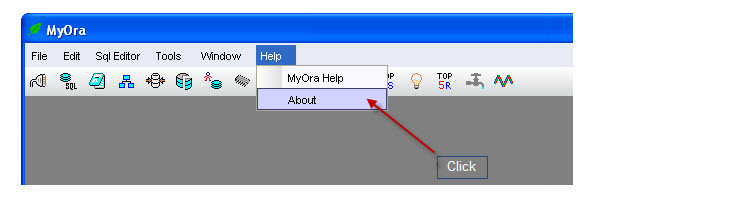
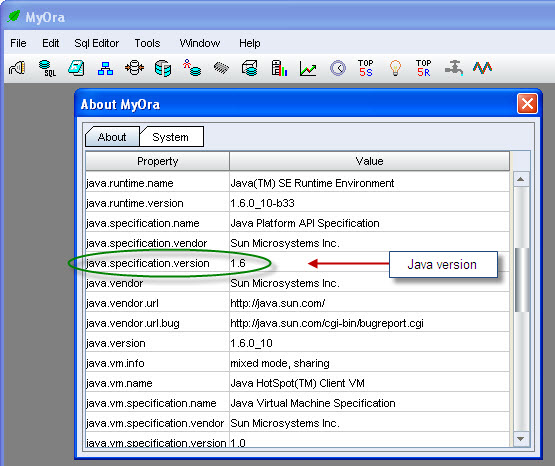
Java version
|
Oracle Database
|
JDBC Driver (Required)
|
|
If you have Java 1.6 (JRE) version installed on your machine
|
If you want to connect to
Oracle database(s)
10g, 11g, 12c
|
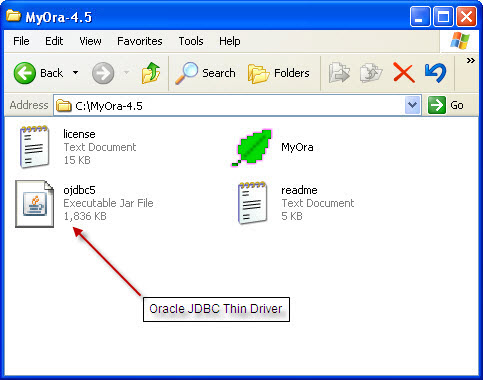
You need to download any one of the following Oracle JDBC Thin driver.
Click the link below to download.
or
|
|
|
If you want to connect to
Oracle database(s)
10g, 11g, 12c, 18c
|
You need to download the following Oracle JDBC Thin driver.
Click the link below to download.
|
|
If you have Java 1.8 (JRE) version installed on your machine
|
If you want to connect to
Oracle database(s)
10g, 11g, 12c, 18c, 19c
|
You need to download the following Oracle JDBC Thin driver.
Click the link below to download.
|















Java version
|
Oracle Database
|
JDBC Driver (Required)
|
If you have Java 9 (JRE) version installed on your machine
|
If you want to connect to
Oracle database(s)
10g, 11g, 12c, 18c, 19c
|
You need to download the following Oracle JDBC Thin driver.
Click the link below to download.
|
|
||
If you have Java 11 (JRE) version installed on your machine
|
||
If you have Java 12 (JRE) version installed on your machine
|
||
If you have Java 13 (JRE) version installed on your machine
|